

Here are some common domain name abbreviations and acronyms used in the context of domain names and the internet:
TLD: Top-Level Domain
The highest level of the domain name system hierarchy. Examples include .com, .org, .net, .gov, .edu, etc.
ccTLD: Country Code Top-Level Domain
TLDs that are specific to individual countries or territories. Examples include .uk (United Kingdom), .ca (Canada), .jp (Japan), etc.
gTLD: Generic Top-Level Domain
TLDs that are not specific to a particular country and have a more general purpose. Examples include .com, .org, .net, .info, .app, etc.
IDN: Internationalised Domain Name
Domain names that include characters outside the ASCII character set, such as accented letters or characters from non-Latin scripts.
DNS: Domain Name System
The hierarchical system that translates human-readable domain names into IP addresses, allowing computers to communicate over the internet.
WHOIS: A database system that provides information about registered domain names, including the owner's contact details and registration dates.
URL: Uniform Resource Locator
The complete web address that specifies the protocol (e.g., http or https), the domain name, and the specific page or resource on a website.
HTTP: Hypertext Transfer Protocol
The protocol used for transferring data between a web server and a web browser, commonly used for accessing websites.
HTTPS: Hypertext Transfer Protocol Secure
An extension of HTTP that includes encryption for secure data transfer, commonly used for secure transactions and confidential information.
SSL/TLS: Secure Sockets Layer / Transport Layer Security
Protocols that provide secure and encrypted communication between a user's browser and a web server, ensuring data privacy and integrity.
WWW: World Wide Web
The collection of web pages and resources accessible via the internet, often used as a prefix in web addresses (e.g., www.anyn etname.com).
SEO: Search Engine Optimisation
The process of optimising a website to improve its visibility and ranking in search engine results.
CMS: Content Management System
Software used to create, manage, and organise digital content on a website, often without requiring extensive coding knowledge.
ISP: Internet Service Provider
A company that provides internet access and related services to individuals, businesses, and organizations.
FTP: File Transfer Protocol
A protocol used for transferring files between a local computer and a remote server on the internet.
ICANN: Internet Corporation for Assigned Names and Numbers
A global organization responsible for managing domain names and IP addresses, among other internet-related tasks.
UDRP: Uniform Domain-Name Dispute-Resolution Policy
A policy established by ICANN to resolve disputes over domain names, particularly cases of cybersquatting or trademark infringement.
DNSSEC: Domain Name System Security Extensions
A suite of extensions that add security to the DNS protocol, helping to prevent domain hijacking and DNS-related attacks.
These abbreviations and acronyms are commonly used when discussing domain names, websites, and internet-related technologies.
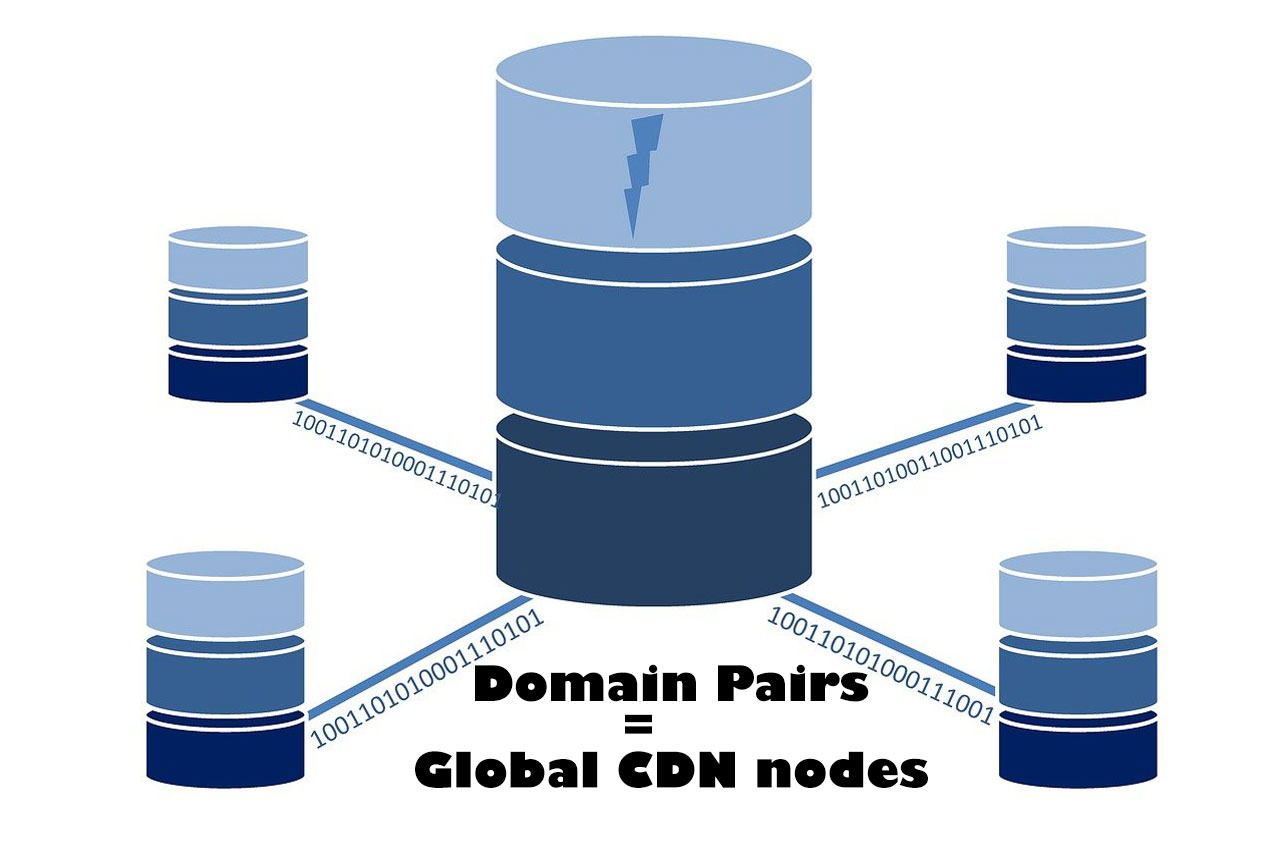
CND:
Global Content Delivery Network (CDN)
The Domain name industry explained

Domain Industry
The domain name business involves the registration, management, and sale of domain names, which...


Domain Ownership Rules

Domain names as assets

UK domains important!
Yes, UK domain names, specifically those ending in .uk, can be important for businesses and...


 How to resolve AdBlock issue?